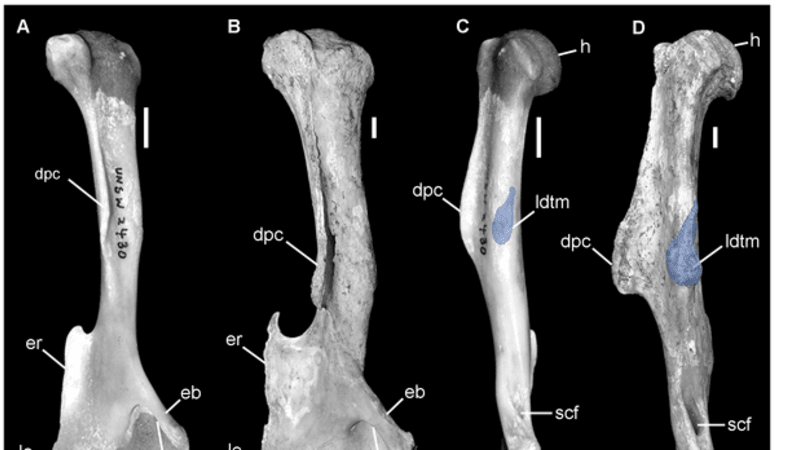
Nimbadon is an extinct genus of marsupial, that lived from the Oligocene to the Miocene. Many fossils have been found in the Riversleigh World Heritage property in north-western Queensland. It is thought to have an arboreal lifestyle.
In 1990, skulls were unearthed in a previously unknown cave in the region. Researchers estimate that the first species of Nimbadon first appeared around 25 million years ago and went extinct around 12 million years ago, perhaps from climate change-induced habitat loss.
Description
Nimbadon lavarackorum is described as being koala-like. It is known from as many as 24 well-articulated specimens. The species was a tree-dweller, mainly feeding on stems and leaves. The feet and claws were large, being superficially similar to those of the koala. They retracted their claws when walking.
Phylogeny
While originally classified as a member of the family Diprotodontidae, a primarily terrestrial group, some later studies suggested a more basal position within the Diprotodontoidea.
Palaeoecology
N. lavarackorum was an arboreal frugivore that primarily fed on C3 fruits.
References
External links
- Australias lost kingdoms, Nimbodon.
- Black K. H. and Hand. S 2010., Nimbadon crania and species boundaries, American Museum novitates, no. 3678
- KAREN H. BLACK,* MICHAEL ARCHER, SUZANNE J. HAND, and HENK GODTHELP FIRST COMPREHENSIVE ANALYSIS OF CRANIAL ONTOGENY IN A FOSSIL MARSUPIAL—FROM A 15-MILLION-YEAR-OLD CAVE DEPOSIT IN NORTHERN AUSTRALIA
- "Cave yields marsupial fossil haul". BBC News. 2010-07-19.
- "Giant tree wombat discovery wins science prize" ABC News 2012-05-03